Snippet #029: How the Heart Resets After Hard Effort
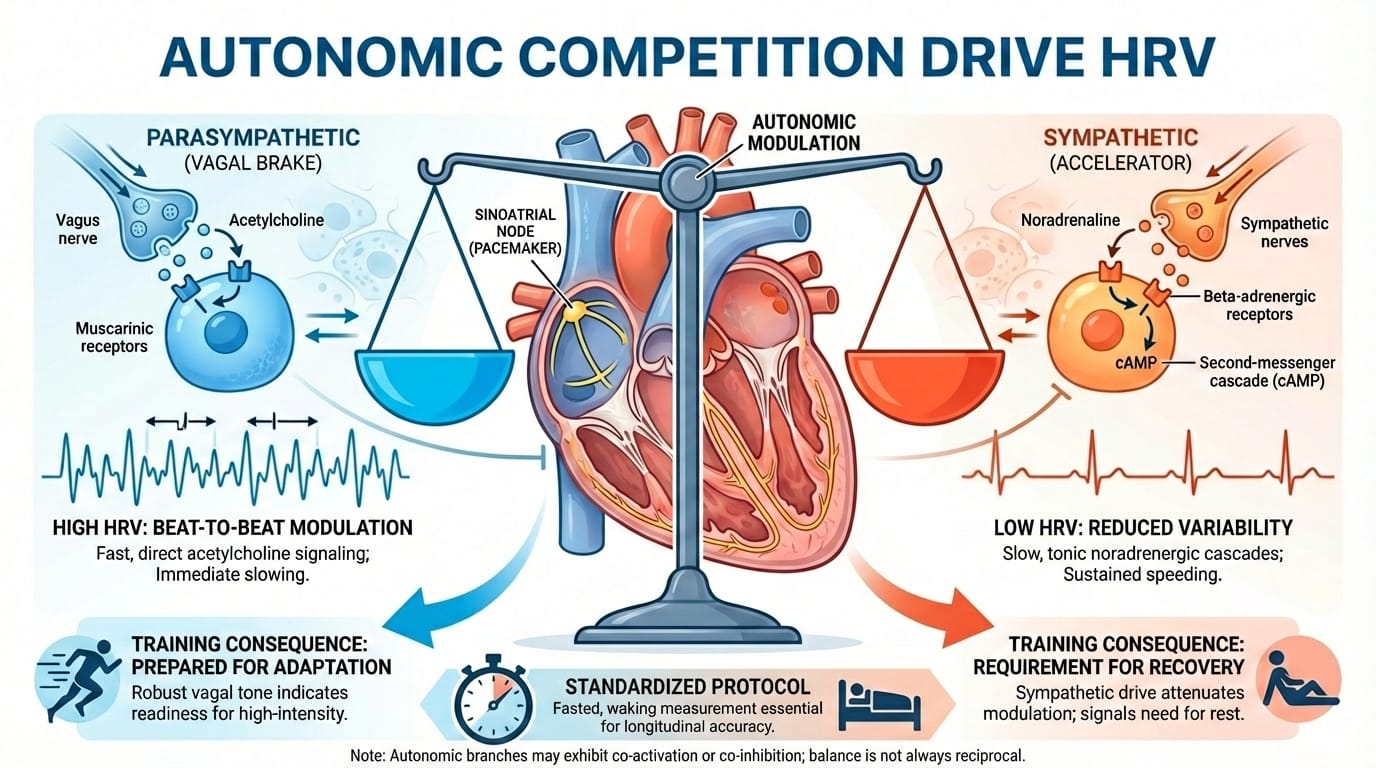
When exercise ends, the parasympathetic branch of the autonomic nervous system, suppressed during hard efforts, gradually reactivates.
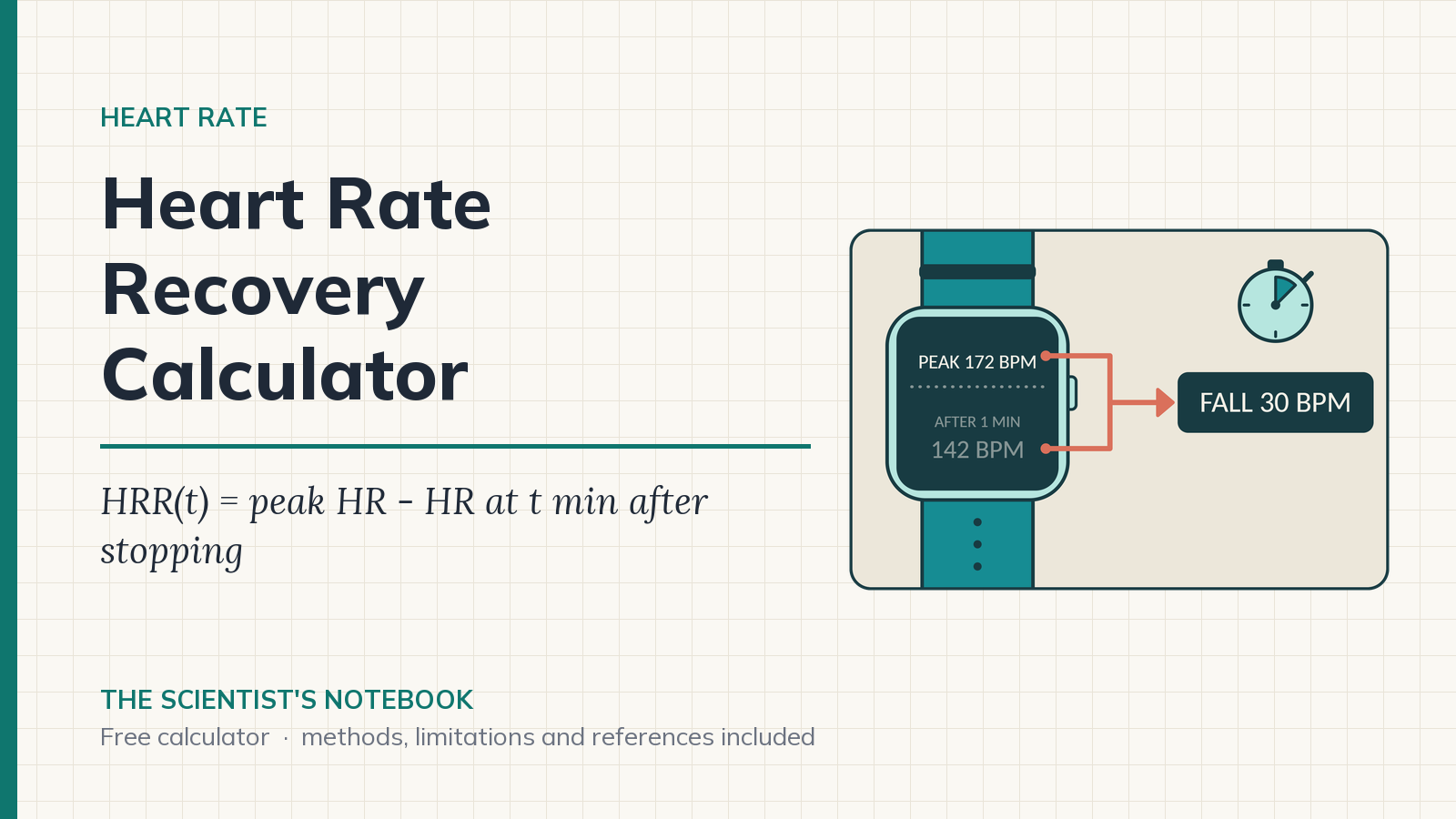
This reactivation rate is reflected in how quickly heart rate falls in the first minute after stopping, a measure researchers call heart rate recovery.
A 2013 review by Stanley, Peake, and Buchheit in Sports Medicine covered single aerobic sessions in athletes and healthy people.
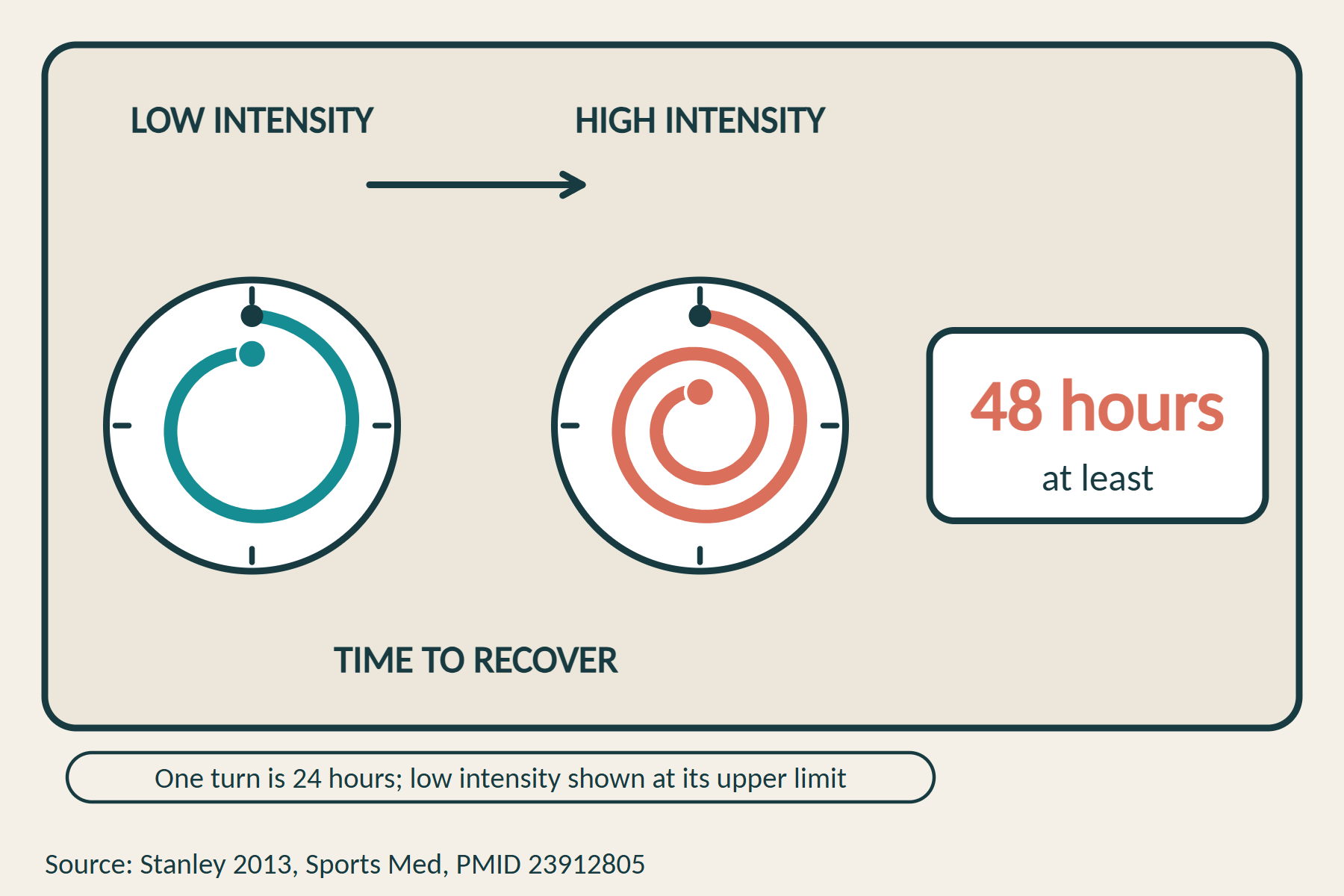
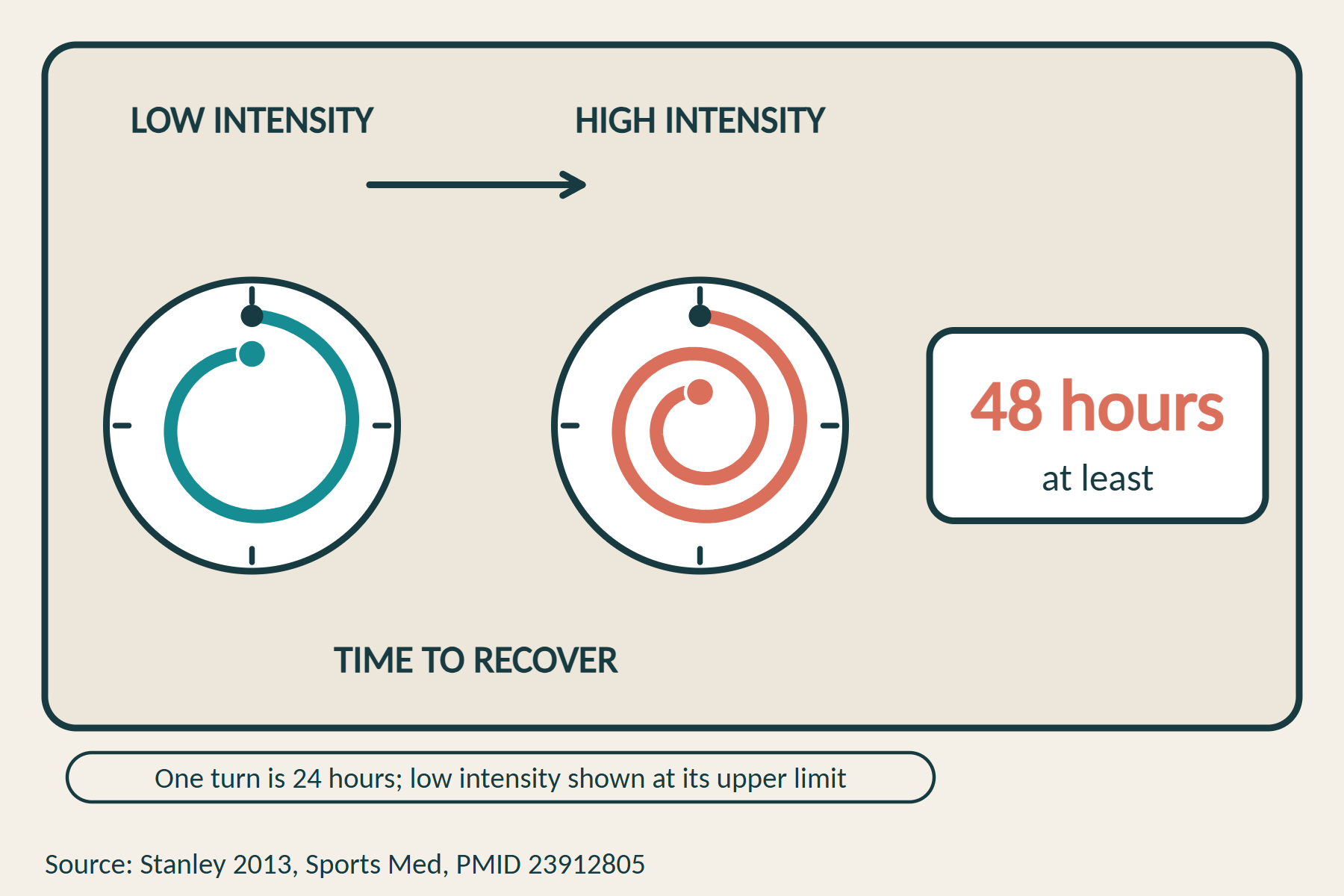
It reports that complete cardiac autonomic recovery takes up to 24 hours after low-intensity work, 24-48 hours following threshold-intensity exercise, and at least 48 hours after high-intensity bouts (doi:10.1007/s40279-013-0083-4).
Heart rate variability, which rises as parasympathetic tone returns, tracks the same recovery arc over hours to days.
Cardiac autonomic recovery is highly individual and, the review found, faster in people with greater aerobic fitness.
The authors' data support reading cardiac parasympathetic measures, such as how fast heart rate falls in the first minute post-effort or whether resting heart rate variability has recovered by the next morning, alongside daily training logs to individualize training.
Recovery timelines vary with exercise intensity, fitness level, and individual differences in autonomic function, so these windows are population averages, not personal prescriptions.
If you have 60 seconds, I would value your anonymous feedback. You can share it here.
Health disclaimer
This summarizes one review of single aerobic sessions in athletes and healthy people. It cannot say how long one person's recovery takes and is not a training recommendation. Not medical advice.
 Thomas Mortelmans
 Thomas Mortelmans
 Thomas Mortelmans
Keep going
These are the numbers Gradescale computes from your own rides and runs, with the working shown.
Training plans built on the same evidence base:
Thomas MortelmansJoin our Discord community:
Thomas Mortelmans